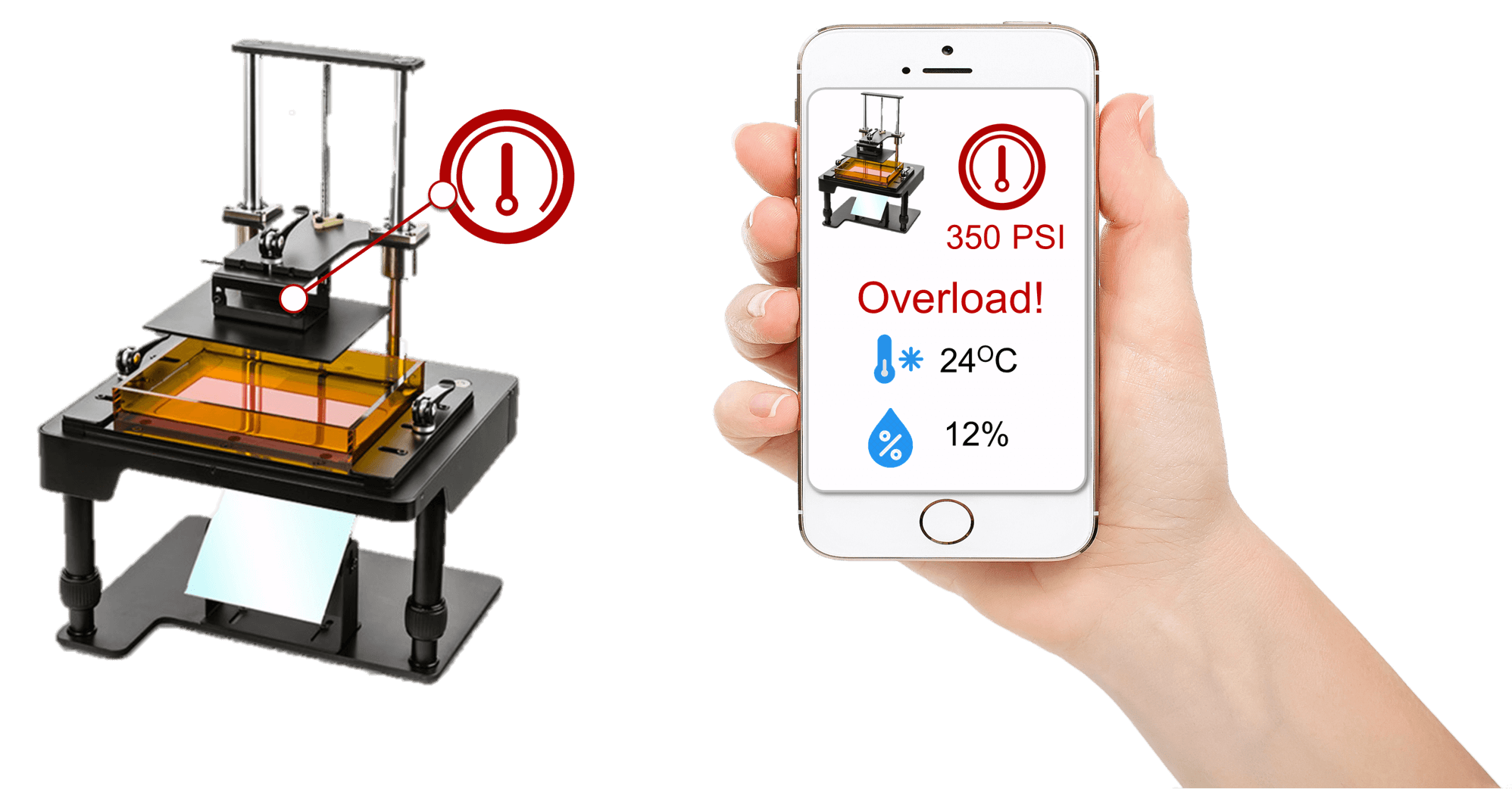
CNC machine tool, OPC UA at the control
State, spindle, feed, program, tool, alarms and part count. Everything the control publishes over OPC UA.
Pragmatos Loom
Old machines and new ones, utilities and meters: 1400+ devices read through four doors, with no PLC to replace and no vendor platform to buy.
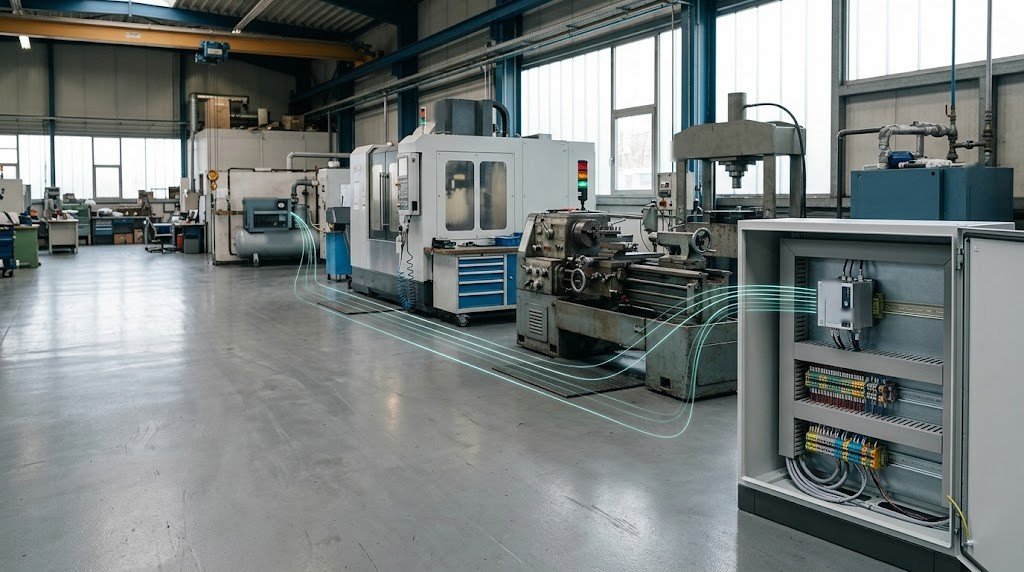
A plant is more than its machining centres. The compressor, the chiller, the coolant system and the measuring room decide whether those machines run. Loom reads all of them, and an old lathe and last year's machining centre are counted the same way.
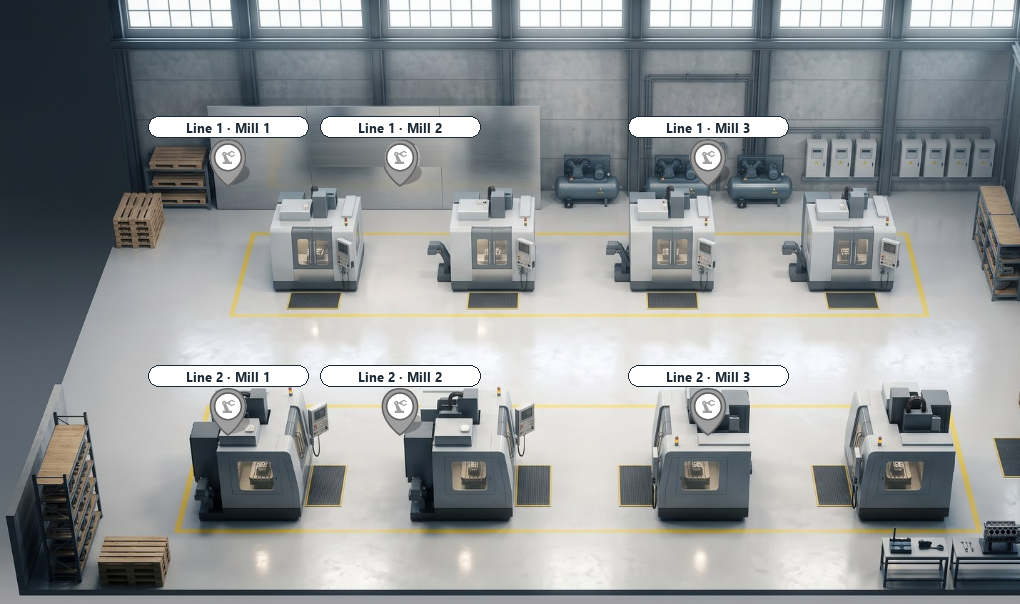
Once a plant is connected, every machine sits where it stands: by type, in its line or cell, in the colour of its state. The utilities room and the measuring room sit on the same plan as the machines they serve.
46 kinds of equipment in seven areas of a plant. Each card names the door it takes, what you get from it, how it connects and some of the makes we read.
Where a device holds a value back, the card says what to add: a compressor controller does not report its own power, so a sub-meter does.
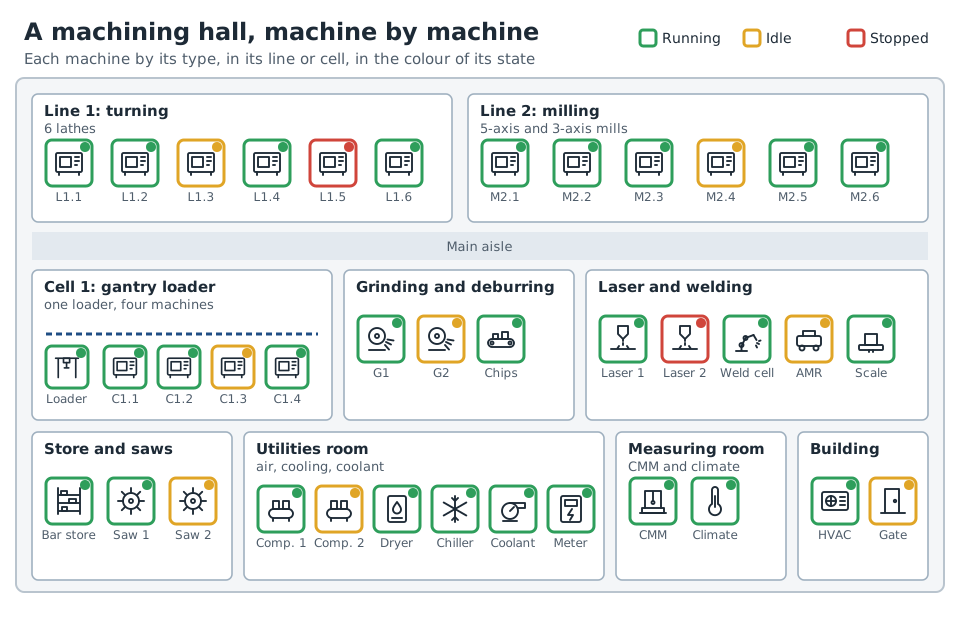
Pick an area to see what Loom reads there. The machines area is open to start.
State, spindle, feed, program, tool, alarms and part count. Everything the control publishes over OPC UA.
State, spindle, feed, program and part count, as the agent publishes them.
State, program, alarms and part count, read from the control.
State and basic counters. Program, overrides and tool stay inside the control.
Running, idle and stopped from the lamps, and a cycle count.
State, job, laser power and gas pressure.
Arc-on time, the OEE of a welding cell.
Equipment not listed here is added as your own type, and every unit of that kind starts from it.
Power, energy, voltage, current and power factor: base load, peaks and kWh per part.
Trips, loading and power quality on the electrical backbone.
Solar yield, so roof solar does not hide base load and peaks on the energy screens.
The profile your electricity bill is made from, including the peak that sets the demand charge.
Gas and water use beside electricity, on the same screens.
Equipment not listed here is added as your own type, and every unit of that kind starts from it.
Network pressure, discharge temperature, state, running and loaded hours. Power comes from a sub-meter, because the controller does not report it.
Specific power, and the share of air lost to leaks outside production.
Flow on the main air pipe.
Fault state. The dew point comes from an added sensor.
Receiver pressure against point-of-use pressure, which shows pipe losses and leaks.
The pressure difference across the filter. A clogged filter costs pressure.
Supply and return temperature and faults. A stop already in the CNC alarm list is counted once, never twice.
Pressure, filter state and emulsion concentration. When it stops, the whole line stops.
Conductivity and tank level.
State and faults. A stop fills the hoppers at every machine.
Fan running and filter pressure difference, which tell you when a filter needs changing.
Equipment not listed here is added as your own type, and every unit of that kind starts from it.
Level and refill events. Low level stops machining.
Fault state.
Running and jams. One beside nearly every machine.
Running, fault, cut count and blade drive current.
Bath temperature, level, pump and heater state.
Cycles from a contact, running time from a clamp.
Tool data as files, shrink cycles as counts.
Withdrawals, returns, stock and cost per cost centre. Never a person.
Zone temperatures, program, batch and charge mass: kWh per kg and a batch record.
Bath temperature and level, line state and dosing.
Equipment not listed here is added as your own type, and every unit of that kind starts from it.
Picks, stock and faults.
Its own state, which explains why a machine stands idle.
Battery, position, driving, charging, errors and loads.
Equipment not listed here is added as your own type, and every unit of that kind starts from it.
Deviation and in-tolerance per characteristic, for every measured part.
Measured values and OK or not OK for each part, for SPC.
Results per part and a test count.
The code on each part and a read count, for traceability.
A count of marks.
Weight, and whether the reading is stable.
Equipment not listed here is added as your own type, and every unit of that kind starts from it.
Zone temperature, setpoint, fan state and filter alarm. Read, never set.
Temperature and humidity, with stability and gradient for the measuring room to VDI/VDE 2627.
Alarm or fault, read and never acted on.
Open or closed. Never who opened it.
Equipment not listed here is added as your own type, and every unit of that kind starts from it.
Names identify equipment we read; no partnership implied. All trademarks belong to their owners.
Some machines speak a modern protocol at the control. Some publish their own readings. Some only talk to a local network or a maker's system. Some have nothing but a lamp. Loom has a door for each, and every reading comes out the same shape.
Sensors and devices that publish their own readings come straight in, with no extra program in between. Climate points, door contacts and mobile robots arrive this way.
MQTT, HTTP, CoAP, LwM2M, SNMP; VDA 5050 over MQTT for mobile robots
A small program next to the machines speaks the local language and forwards the readings. It handles the protocols that never leave the hall: serial lines, building automation, result files and network sockets.
Serial Modbus (RTU), BACnet/IP, FTP file drops, CSV, TCP sockets
When another system already holds the data, it hands it over. A tool vending cabinet, a warehouse system, a LoRaWAN network server or a maker's portal sends its data, and a converter turns it into readings.
Webhooks, REST, LoRaWAN network servers, maker portals
Loom reads the control or the PLC directly: machine state, spindle, feed, program, tool, alarms and part count, where the control offers them. Machines with no network join through the signals they already give.
OPC UA (umati where offered), Modbus TCP, MTConnect, S7, FANUC controls over FOCAS with FANUC's licensed library on site
A machine does not need a network to be counted. There are three routes in, and which one suits each machine is settled with you at set-up. Machines thirty years apart end up on the same screen, counted the same way.
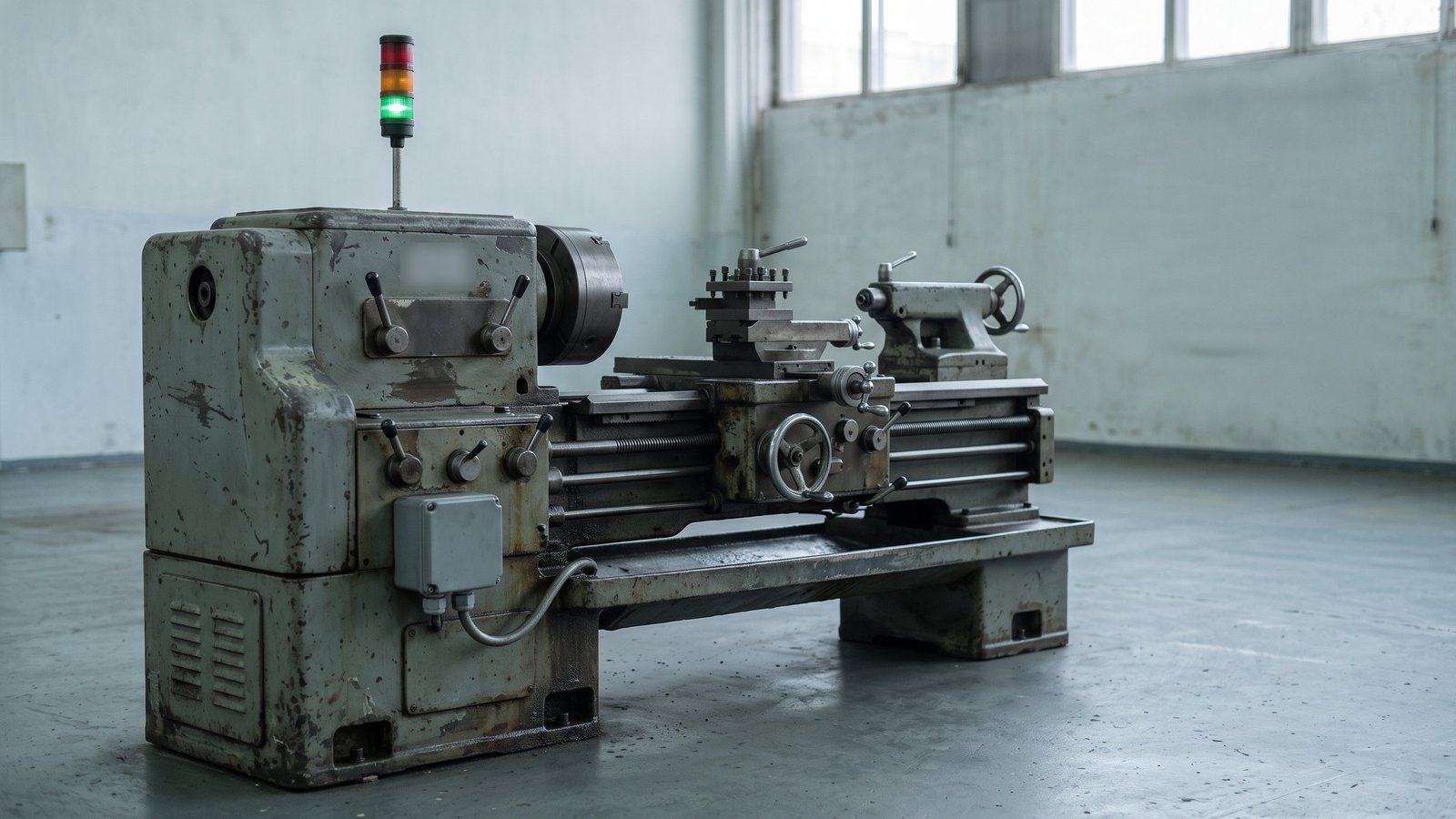
You do not need to know where a machine keeps its power reading or its part count. Every machine is set up by the first of four routes that fits it. Where the library and the machine have no answer, Loom AI reads the manual or the live signals and proposes what to record. Each route ends with a person confirming what is read.
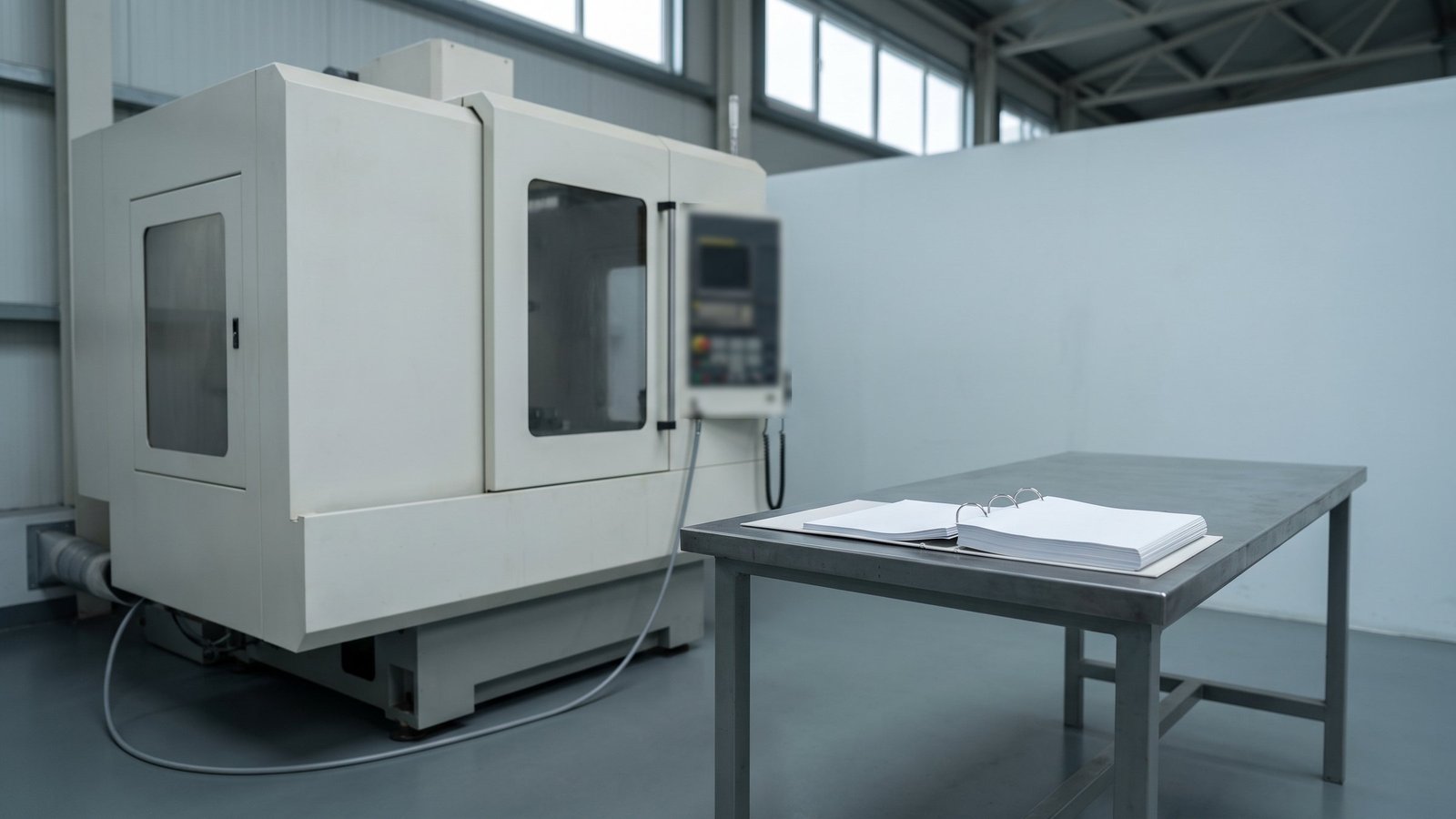
Every route ends the same way. A supervisor approves each connection before its first reading. Loom does not scan your network, and nothing connects itself.
The whole plant goes in the same way, many machines in one pass.
If you run a plant with forty machines from six makers and three decades:
If you look after the controls, the PLCs and the plant network:
If you own the plant and sign off what it spends:
Where your plant stands before the first machine is connected.
See how far a reported OEE can sit from one that counts micro-stops and speed loss.
We set it up with you.
Talk to usThe arguments behind Loom, one problem at a time.