Pragmatos Orbis

Orbis proposes the next move. A person decides.

When the signals on your floor disagree, Orbis weighs the evidence against what waiting and acting cost, and proposes one move with its reasons. The person with the right role decides.
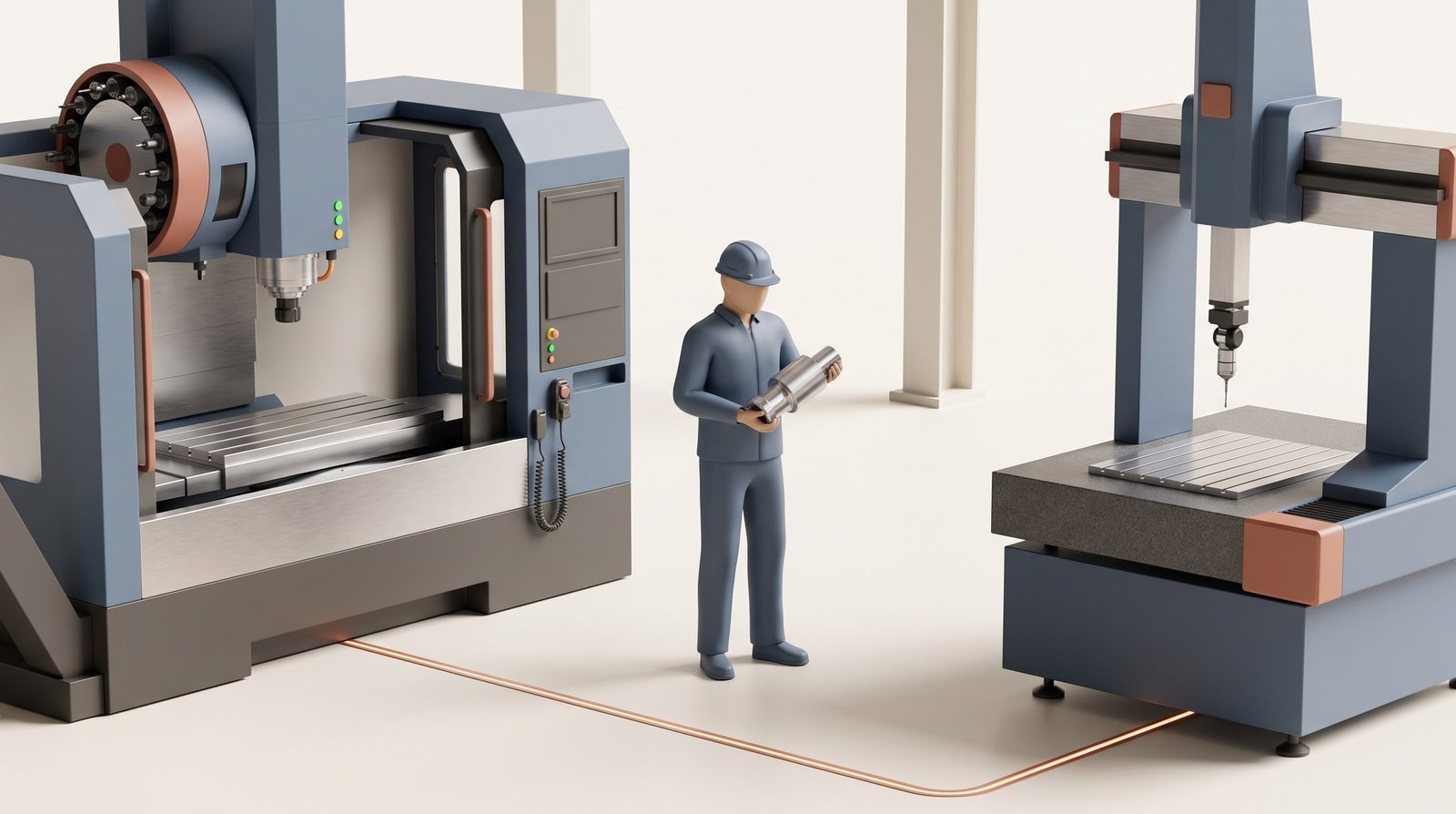
A drawing of a machining centre with its tool magazine on the left, a measuring machine behind glass on the right and a worker seen from behind between them, with symbols for trends, time, energy, delivery and cost around him; four cards show the bore drifting, the tool counter past its change point, the plant history and the cost
1Bore diameter7 µm up over 9 parts, all still in tolerance
2Tool counterpast the setter's change point
3Plant historywear in 12 of 14 similar cases
4Costscrap, machine hours and the tool, at plant settings
The signals disagree. The bore is drifting but every part is in tolerance. The counter says change, the last batch says keep going. Someone has to choose.
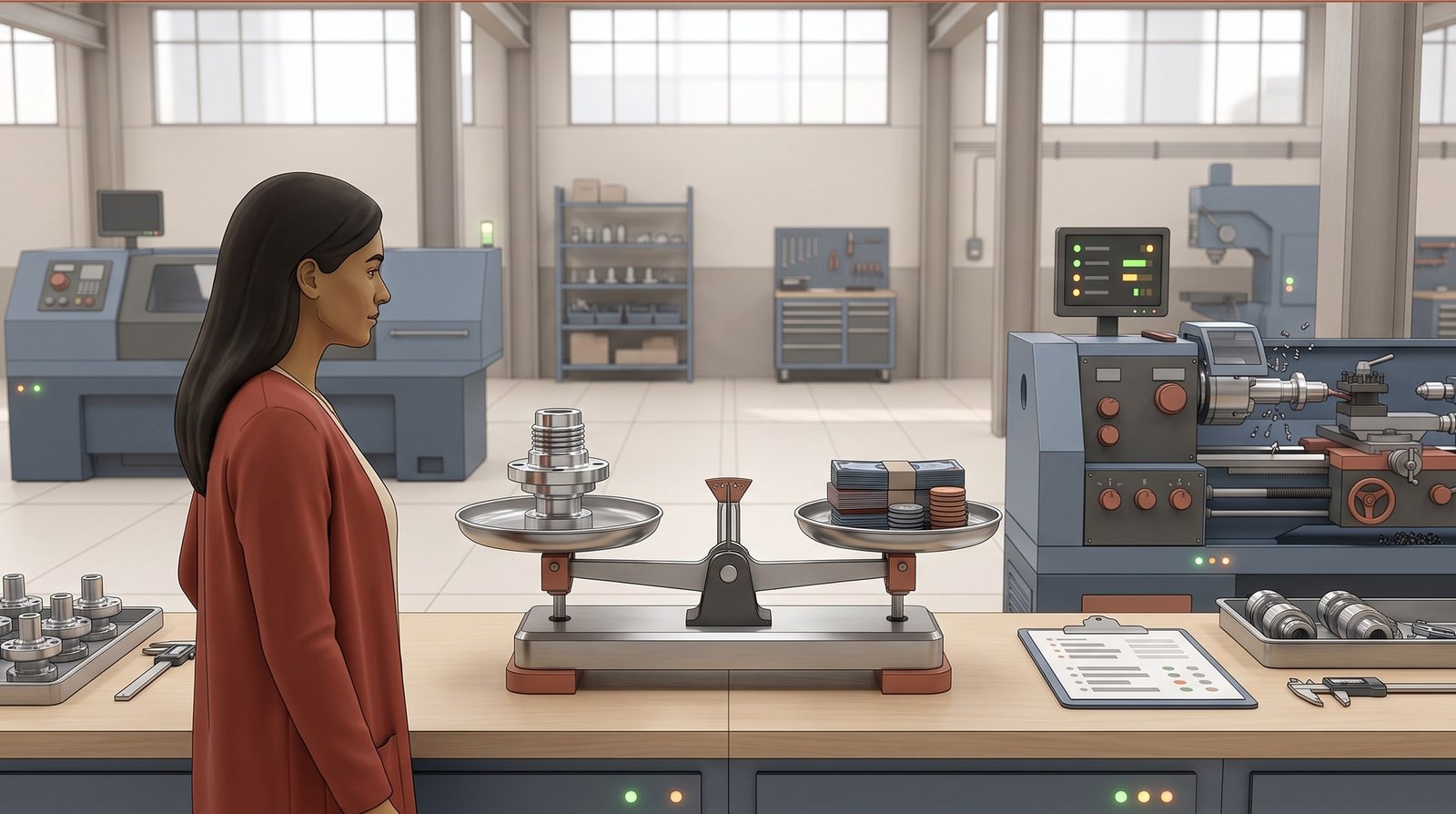
A drawing of a balance between a lathe and a screen of trend charts, linked by lines to a gauge, a report and the screen; the heavier pan holds scrapped parts and coins, the lighter one a tool insert, a spanner and a few coins; a card lists what each witness saw and sets the cost of waiting, about 120 euros, against the cost of acting, about 25 euros, at the plant's default costs
Evidence, not a guesseach witness says what it saw, or stays silent

Orbis weighs it

  • Measurements: the bore is drifting up
  • Machine: the counter is past the change point
  • History: most similar cases were wear
  • Physics: the trend is within plausible tool life

Waiting costs about120 €

Acting costs about25 €

At the plant's default costs. Acting is cheaper.

Orbis weighs the evidence. Measurements, the machine and plant history each give their view, with physics as a check. Orbis sets the cost of waiting against the cost of acting.
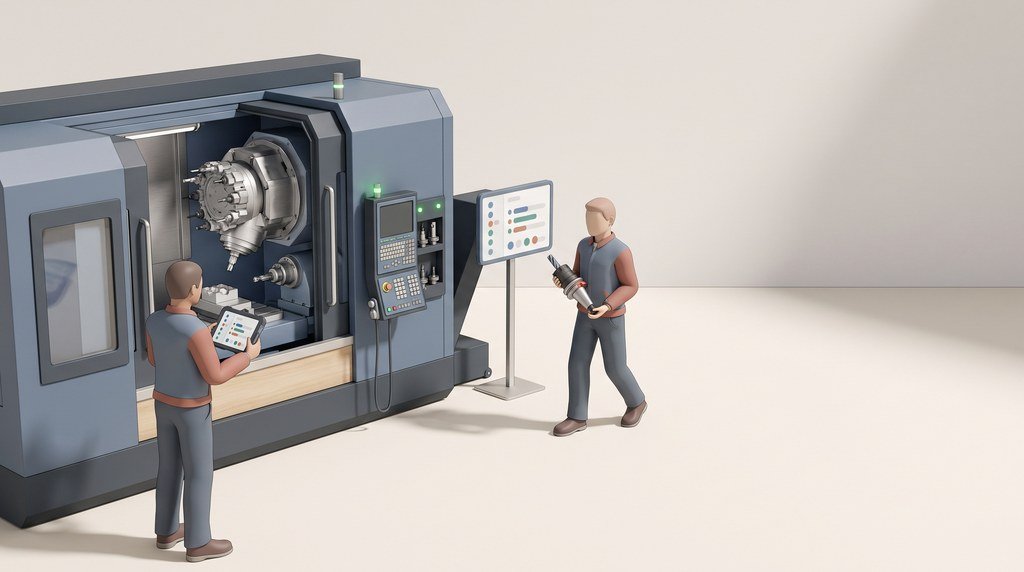
A drawing of a person seen over the shoulder, tapping a tick on a tablet beside an open machining centre, while a setter carries a tool holder towards the machine past a wall screen of linked cards; a card shows the proposal, change the insert, measure the first part and check the material charge, with buttons to accept, reject with reason or defer

Orbis proposes

  • Change the insert now and enter the offset
  • Measure the first part after the change
  • Check the material charge on the routing card

AcceptReject with reasonDefer

The setter decides. The decision goes on the record.

A person with the right roleaccepts, rejects or defers
A person approves. Orbis proposes one move with its reasons. The setter accepts, rejects with a reason or defers it, and the decision goes on the record.

The step between seeing a problem and doing something about it

Orbis

Pulse shows a bore drifting, a tool nearly spent, a peak building. Orbis turns that into a proposal: one move, the readings behind it, what it costs to wait and to act, and the role that may approve it. Approved proposals go on to Flow as work, and into Decisions as a record.

  1. ConnectLoom
  2. SeePragmatos Live
  3. AnalyzePulse
  4. DecideOrbis, this page
  5. ActFlow
  6. ProveDecisions

What Orbis watches for

  • Spindle vibration above the limit maintenance set (ISO/TR 17243-2)
  • Spindle load high for a sustained time
  • Tool life inside the margin the setter set
  • Axis drift from a ballbar test (ISO 230-4)
  • A machine that stops sending data
  • A 15-minute block heading for a new peak
  • Reactive energy over the free allowance
  • Energy per part against its baseline
  • Idle load creeping up
  • A gap in a meter's readings
  • A quality drift: a run rule, capability, a gauge overdue for calibration

How Orbis reaches a proposal: eight witnesses, one belief

Orbis

No single signal settles a question on the floor. A drifting bore can be wear or a new material charge; a tool counter knows nothing of the part. Orbis asks eight witnesses, each with its own way of knowing, and combines what they say. A witness with nothing to go on stays silent, and the silence shows on the proposal as a gap.

  1. 1. EvidenceEight witnesses each say what they see in the readings, or stay silent.
  2. 2. BeliefOrbis combines what they say into one belief about what is going on.
  3. 3. Cost thresholdIt sets the cost of waiting against the cost of acting, at your plant's costs.
  4. 4. ProposalIt proposes one move, with the readings, the reasons and the role that may approve it.
  5. 5. A person decides, Orbis learnsThe decision and its outcome go back in. Witnesses that were right at your plant earn weight.

The eight witnesses

Witness 1

Measurements

Statistical process control on your measured parts: Nelson run rules, process capability (Cpk) and gauge R&R.

Silent when too few points, a gauge it cannot trust, readings that lean on each other, or calibration overdue.

Witness 2

The machine

Telemetry from the control: the tool counter, spindle load set against the first cuts with this tool, and alarms.

Silent when the control does not report the value.

Witness 3

Physics

Engineering models of the process: tool life after Taylor, and machine vibration judged against ISO 20816. A plausibility check shown beside the evidence, not weighed into it.

Silent when the plant has no tool-life tests yet for that tool and material.

Witness 4

Plant history

Similar cases at your plant and their confirmed causes. It answers why, not only what. It never sorts by person.

Silent when there are too few similar cases to compare.

Witness 5

Business context

Fills in the cost table: scrap, machine hours, the cost to act, the due date. It adds no weight to the belief.

Silent when a cost is missing. Orbis then holds back and shows which cost is missing.

Witness 6

Your own rule

The setter's or the Meister's rule of thumb, such as a change after so many parts. Shown beside the proposal, never counted as evidence.

Silent when nobody has written a rule for this case.

Witness 7

Language model

Reads what the readings alone cannot show, such as a gauge flagged for a re-check, and gives a short statement in a fixed form. It never changes the proposed action. It runs inside your installation.

Silent when it has nothing to read. Shift notes are read only after a works agreement under BetrVG §87.

Witness 8

Control and ERP events

What changed: a tool change, an offset entered, a fixture or program change. A new material charge triggers a first-part check.

Silent when nothing changed.

The cost threshold: act when acting is cheaper than waiting

Orbis

A drift that makes no scrap is not worth a stop. A drift that will make scrap within the hour is. Orbis sets the cost of waiting, which grows with the chance that the process has shifted, against the cost of acting, which stays the same. Once acting is the cheaper choice, it proposes to act; before that, it says to keep running.

Cost of waitingCost of actingAct from hereKeep runningChance that the process has shiftedCost

The costs Orbis weighs

  • 60 €per scrapped part default
  • 100 €per machine hour default
  • 25 €to act: a change, a measurement, a stop default

Defaults only. Your plant sets its own, from the ERP or entered by a person, and the machine hour is your own Maschinenstundensatz.

The methods behind it

Each proposal carries a plain-language explanation of how it was reached. Underneath sit methods engineers and statisticians know:
  • Bayesian evidence fusion
  • Minimum expected cost
  • Value of information: is one more measurement worth it
  • Abstain when the evidence is thin
  • Conformal drift guard
  • Jeffreys intervals for small counts
  • Monte Carlo runs for delivery dates
The explanation behind one proposal, step by step
  1. The bore has drifted up 7 µm over nine parts. All 30 measured parts are in tolerance.
  2. At this trend, the upper limit is about seven parts away.
  3. The tool counter is past the setter's change point.
  4. In 12 of 14 similar cases at this plant the cause was wear. The other two were a new material charge.
  5. Waiting: about two parts over the limit at 60 € each, 120 €, and the insert changed later anyway.
  6. Acting: change the insert, enter the offset, measure the first part. About 25 €.
  7. Acting is cheaper, so Orbis proposes it, and adds: check the material charge on the routing card (Laufkarte).

The AI: a language model in an ensemble, not on its own

Orbis

Orbis uses a smart language model working in an ensemble with statistical, physical and rule methods. Each covers what the others miss.

The language model reads what the readings alone cannot show, such as a gauge flagged for a re-check. It gives a short statement in a fixed form, beside the others. It never changes the proposed action.

It learns from each confirmed decision at your plant and becomes more capable. Its weight is earned from outcomes your people confirmed, like every other witness.

Statistical methodsRun rules, capability and gauge checks on what you measured.

Physical modelsTool life and vibration, from engineering models, as a plausibility check.

RulesThe limits and rules your people set.

Plant historyWhat happened in similar cases at your plant.

Language modelReads what the readings alone cannot show and adds a short statement to the evidence. It never changes the action, and its weight comes from confirmed outcomes at your plant.

Four decisions on a machining floor

Orbis

Each scene shows what happens, what Orbis weighs, what it proposes, and who decides. Costs are the defaults; your plant sets its own.

Pick a scene. The quality scene is open to start.

A bore drifting inside its tolerance

  1. What happensThe bore diameter has drifted up 7 µm over nine parts. All 30 measured parts are in tolerance, and at this trend the upper limit is about seven parts away. The tool counter is past the setter's change point.
  2. What Orbis weighsMeasurements, the machine and plant history, with physics as a plausibility check. In 12 of 14 similar cases the cause was wear; the other two were a new material charge.
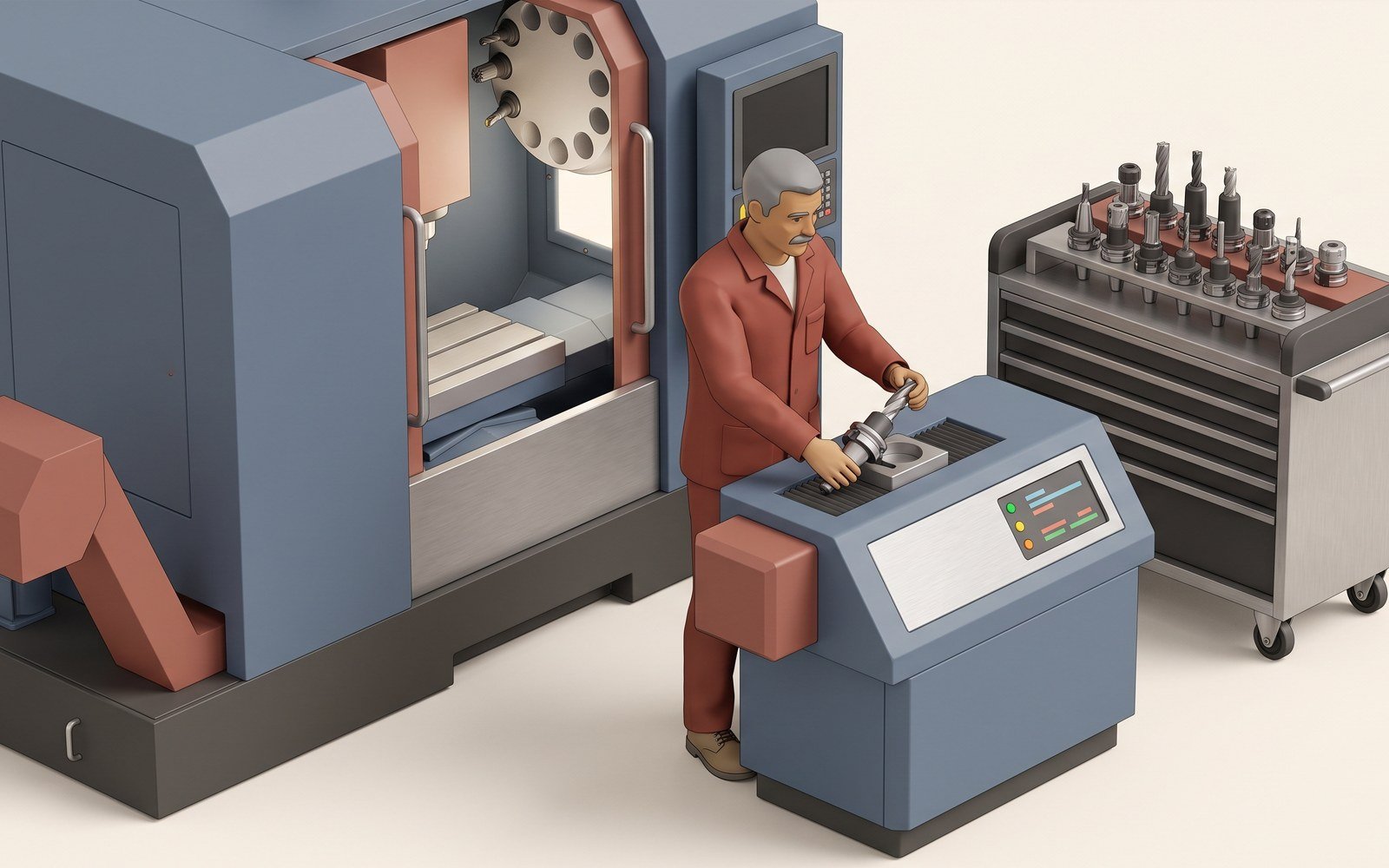
  3. What it proposesChange the insert now, enter the tool offset and measure the first part, at about 25 €. Waiting costs about two parts over the limit at 60 € each, 120 €, and the insert gets changed later anyway. It adds: check the material charge on the routing card.
  4. Who decidesThe setter (Einrichter) accepts, rejects with a reason or defers. A person enters the offset; Orbis never writes to the control.
  5. And when waiting is fineA shift of a few µm against a wide tolerance makes no scrap. Then waiting costs nothing, and Orbis says to keep running.
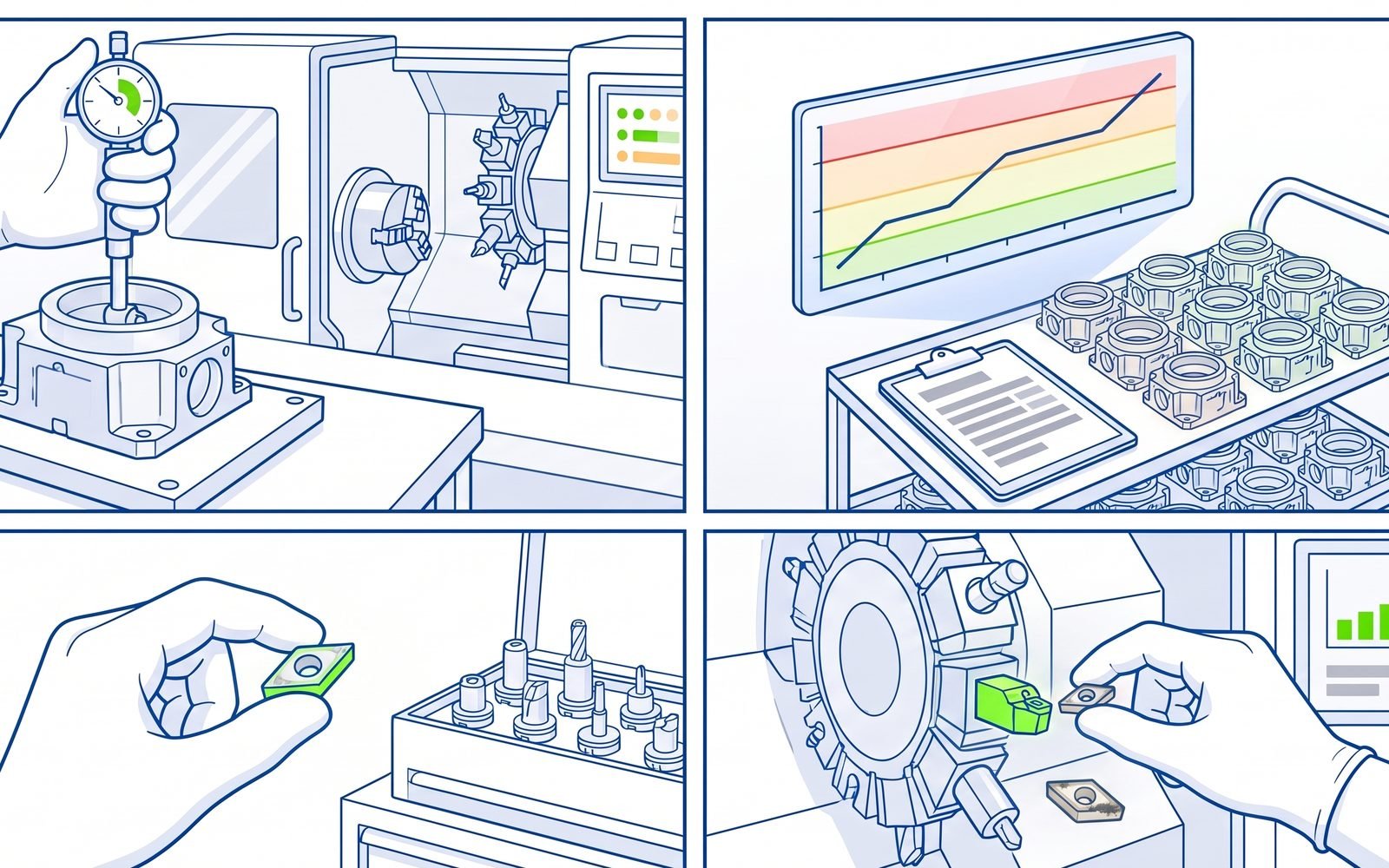
Four panels: a gloved hand reads a dial bore gauge in a part beside a turning centre; a screen shows a trend line climbing through coloured bands above a trolley of finished parts and a checklist; a hand holds a fresh cutting insert by a tool rack; a hand fits the new insert in the turret while the worn one lies beside it
What it shows: the bore measured, the trend climbing, and a person changing the insert.

When to change a tool that is nearly spent

  1. What happensThe insert is at 430 of the 500 parts the setter allows. A sister tool waits in the magazine.
  2. What Orbis weighsThe cost per cutting edge, the risk on the first part after a change, and when the next measured part and the pallet end come.
  3. What it proposesA window, not a moment: between part 430 and 445, at the next measured part or at the pallet end, with the spent edge to re-index.
  4. Who decidesThe setter picks the moment inside the window. Orbis does not change the tool or the counter.
A drawing of a chain tool magazine with a spent tool marked in coral and its sister tool in teal, arrows pointing to a machining centre with two pallets, one finished and one waiting, and a setter seen from behind at a tool trolley beside the control
What it shows: the sister tool in the magazine and the pallet change, the moments the setter can choose from.

A 15-minute block heading for a new annual peak

  1. What happensThe load in this 15-minute block is heading above a limit your plant set below this year's peak.
  2. What Orbis weighsThe minutes left in the block and which loads can wait. Only non-cutting loads on the shed list count: the list your responsible electrician (VEFK) has signed.
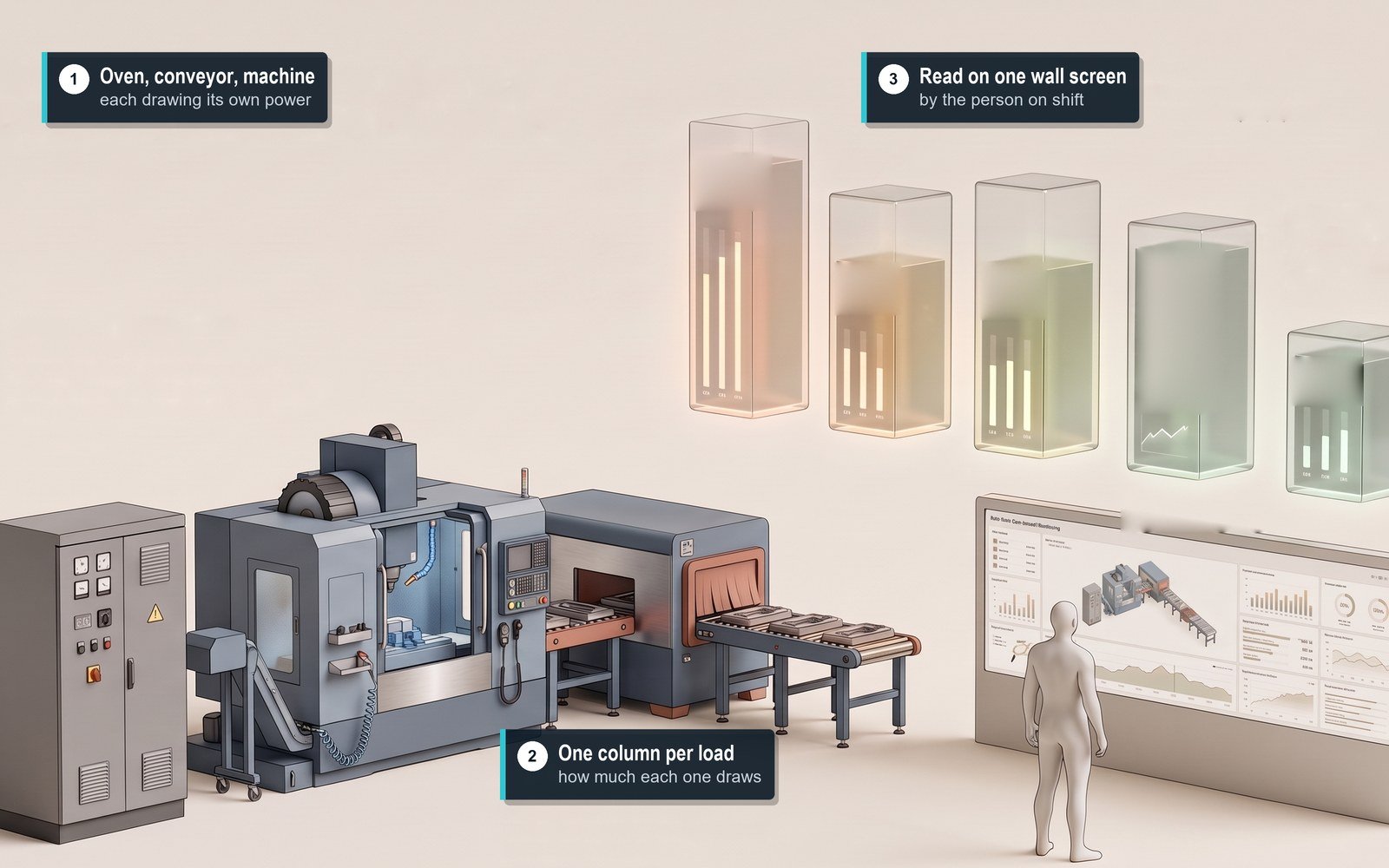
  3. What it proposesDefer the tempering oven (60 kW) for the remaining 8 minutes of this block. The saving is shown as an upper bound. The chip conveyor cannot wait, and the oil-mist extraction keeps running.
  4. Who decidesThe energy manager or the shift lead. A person switches the oven.
  5. And when nothing is needed"Do nothing: this block will not set a new annual peak."
A clay-style drawing of a tempering oven with parts trays on a conveyor, an electrical cabinet and a machining centre; above them a row of rounded columns where the top of the tallest is lifted off and set on a later column, while a person seen from behind reads a wall screen
What it shows: the oven that can wait, and the peak taken off one slot and moved later in the block.

Can the order ship on the date the customer asks for

  1. What happensA customer asks for the 10th. Sales needs an answer it can give.
  2. What Orbis weighsIt runs the order many times over your measured cycle and setup times, the stop patterns, the scrap rate and the shift calendar. Routing times not yet measured are marked provisional.
  3. What it proposesSales sees one date, how sure it is in words, one reason, and yes, no or provisional: not the 10th, propose the 12th instead, because of the setup on the second machine. The Meister sees the full range.
  4. Who decidesProduction planning confirms the date before sales gives it.
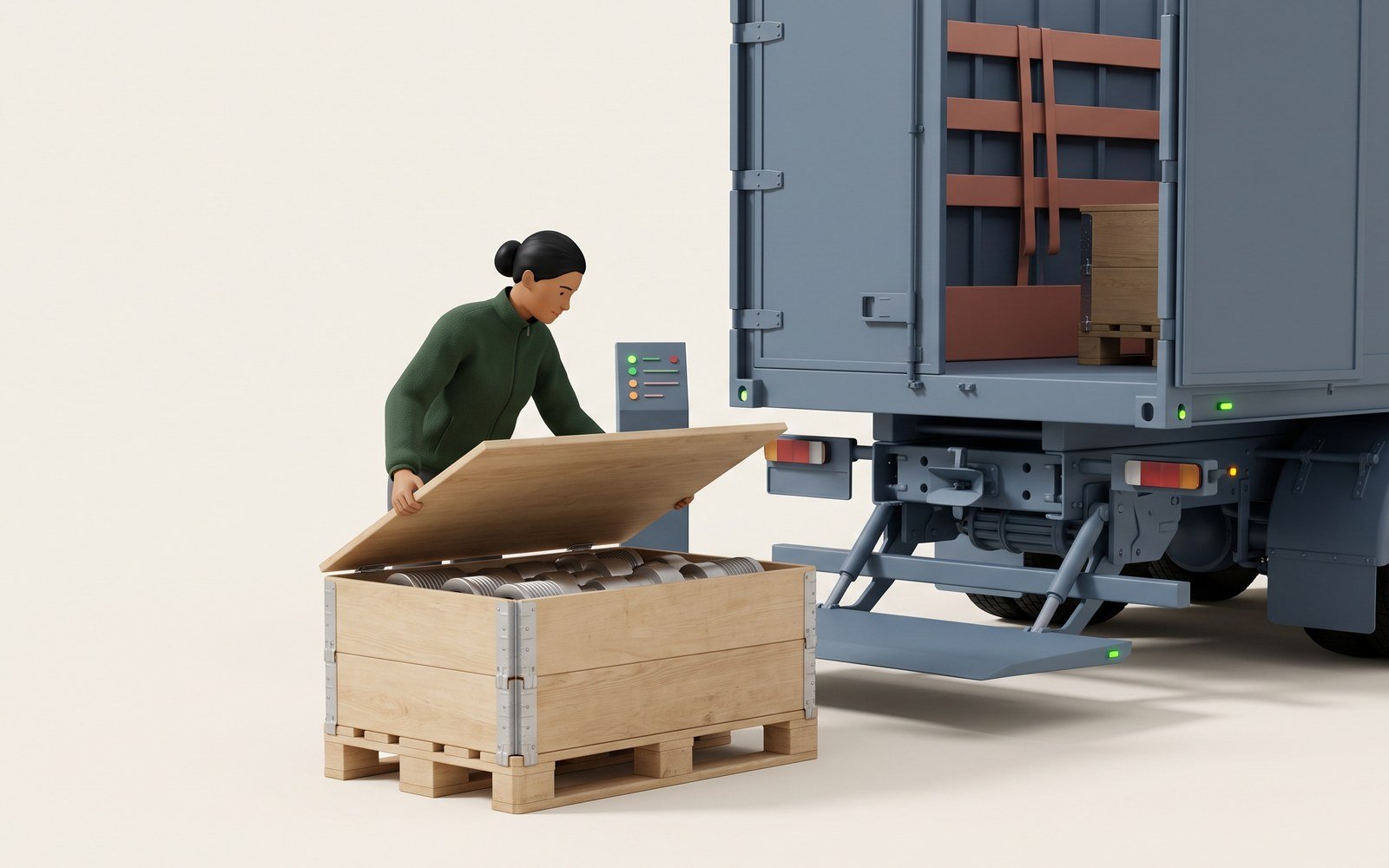
A drawing of two planners seen from behind at a table of drawings, one pointing at a wall calendar, looking through an archway into a hall of lathes and milling machines; coloured paths carry parts from the machines to a forklift loading crates into a lorry at the dock
What it shows: the route through the machines that sets the date, checked in planning before the date goes out.

The rules Orbis keeps

Orbis

Orbis proposes, with the evidence in view. People act. These rules hold for every proposal, at every plant.

Never writes to a controlOrbis proposes; people act. An offset, a tool change or a switched load is done by a person.

Only approved machinesOrbis refuses to propose for a machine that has not been approved in Pragmatos.

Scrap is never the defaultContainment means block, re-measure or release, and a release needs two signatures.

Only non-cutting loads shedThe shed list holds only loads that can wait, the oil-mist extraction keeps running (DGUV), and the VEFK signs the list.

Special characteristics stay with peopleA special characteristic is always decided by the responsible person, with the control plan in view.

Every decision on the recordEach decision is written once and kept, with the role that approved it, in Pragmatos Decisions.

Your plant sets how Orbis weighs

  • Costs first. Scrap, the machine hour and the cost to act, from the ERP or entered by a person.
  • Then the witnesses. Turn a witness down, or off, where your plant does not trust it.
  • At the right level. Company, then plant, then part family. The narrower setting wins.
  • With a change record and a replay. Every change is recorded, and a replay preview shows how past proposals would have come out.

Who it's for: the people who approve

Orbis

Every proposal names the role that may approve it. Open a role to see what Orbis brings to it.

If you answer for output, scrap and delivery across the plant:

  • You see every open proposal, its cost and who has it, in one list.
  • Quality, tooling, energy and delivery questions get the same treatment: evidence, cost, a named role.
  • Every decision is on the record, so a review starts from facts, not memory.

If you keep the spindles, axes and tools running:

  • Orbis watches the limits you set: spindle vibration, sustained spindle load, tool life, axis drift from a ballbar test.
  • A proposal names the readings and the physics behind it, and spindle life is shown as a band, not a single figure.
  • Downtime is valued at your own machine hour rate.

If you own the measurements and the control plan:

  • Run rules, capability and gauge R&R come from your measured parts, and a witness falls silent when the gauge is overdue.
  • Containment is block, re-measure or release; scrap is never the default, and release takes two signatures.
  • Special characteristics are always decided by the responsible person.

If you run the energy side of the plant:

  • Orbis watches the 15-minute block, energy per part against its baseline, idle creep and reactive energy.
  • It supports your ISO 50001 energy management, with energy performance indicators and baselines after ISO 50006.
  • Only loads on the signed shed list are ever proposed for deferral.

If you promise dates to sales and to customers:

  • Delivery dates come from measured cycle and setup times, stops, scrap and the shift calendar.
  • Unmeasured routing times are marked provisional, not hidden.
  • You confirm the date before sales gives it.

If you run the floor on your shift:

  • Proposals arrive with the action first and the reason in one line.
  • You accept, reject with a reason or defer, and the next shift sees what you decided.
  • Orbis does not score your people.

If you sign off what the plant spends:

  • Each proposal is weighed in your plant's own costs, not a generic figure.
  • The ledger shows what was proposed, what was decided and by whom.
  • Costs and weights are changed with a change record, so nobody tunes the system quietly.

If you look after the plant's systems:

  • Orbis and its language model run where you choose: on premise in your plant, in your own cloud, or both.
  • It reads from Pragmatos and the ERP, and it has no write path to any machine control.
  • Access goes by role, and each approval is tied to a role.

If you represent the people on the floor:

  • You get a read-only view of what Orbis proposed and who decided.
  • Plant history refuses person keys, so nothing is sorted by person.
  • Shift notes are read only after a works agreement under BetrVG §87.

Human oversight, works council and the EU AI Act

Orbis

Orbis is designed for the EU AI Act's human-oversight and logging requirements. Whether your use meets the Act is for you and your advisers to assess. The oversight is the product: a person decides, and the record says who.

  • A person decides every proposal, and only a person with the right role can.
  • Pragmatos Decisions keeps the ledger: what was proposed, the evidence, who decided, and when.
  • The works council gets a read-only view of proposals and decisions.
  • Orbis does not score operators. Plant history refuses person keys.
  • The language model reads shift notes only after a works agreement under BetrVG §87.

Orbis proposes. A person decides. The record says who.

Bring one decision your floor argues about. We walk it through Orbis with you.

We set it up with you, in your installation, with your costs.

Book a walkthrough
Before and after Orbis

  • AnalyzePulse: condition and trends, machine by machine.
  • ActFlow: approved proposals become work.
  • ProveDecisions: every decision on the record.
  • ConnectLoom AI: reads your machines and never writes to them.

Get new articles by email

One shop-floor problem at a time.

Questions plant managers and works councils ask

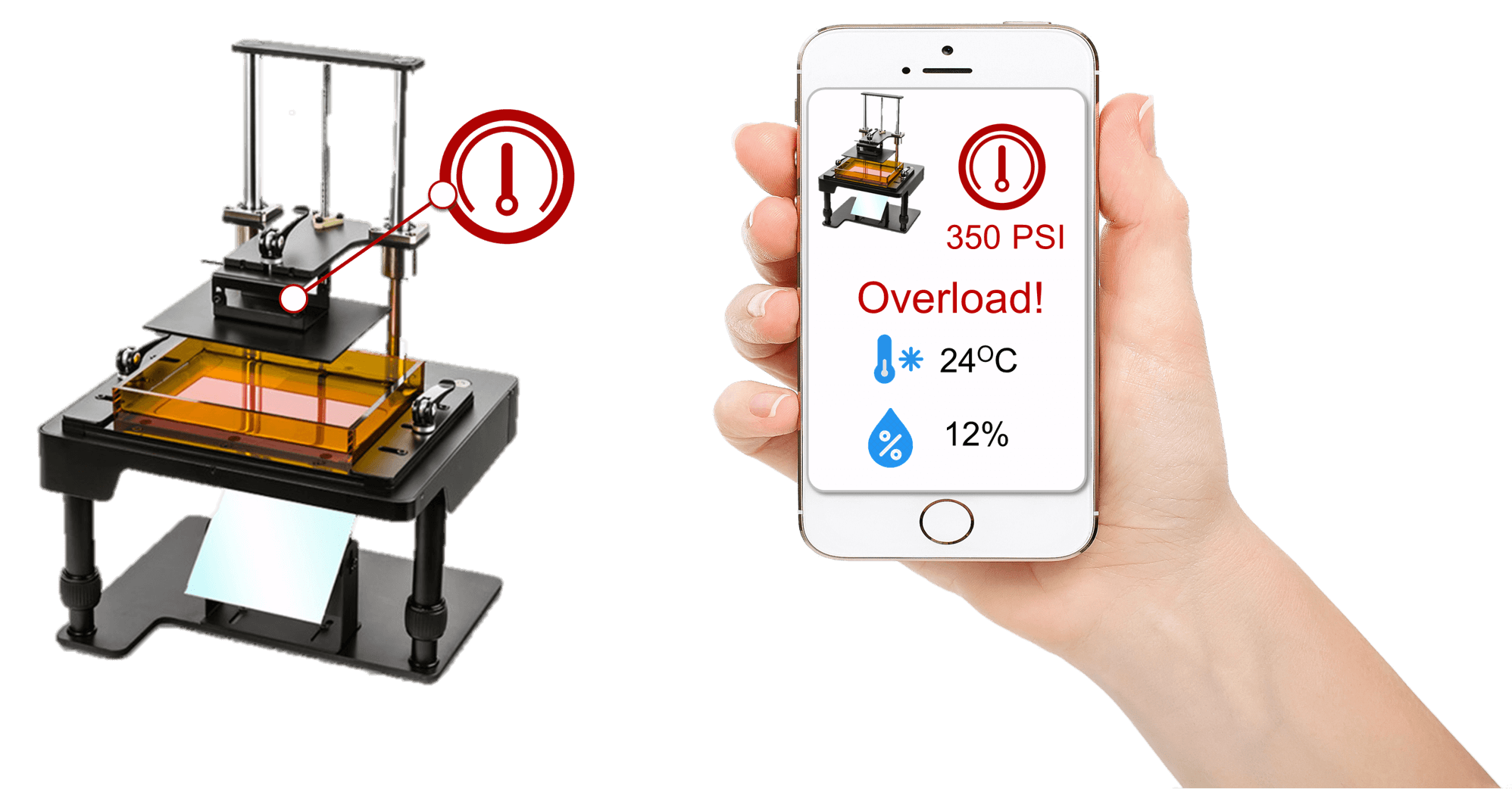
An alarm from a machine, shown on a phone
No. Orbis proposes. A person with the right role accepts the proposal, rejects it with a reason or defers it to a date. Orbis never writes to a machine control: where a proposal says to enter an offset, a person enters it.
Orbis uses a language model in an ensemble with statistical, physical and rule methods. The language model reads what the readings alone cannot show, such as a gauge flagged for a re-check, and gives a short statement in a fixed form, like the other witnesses. It never changes the proposed action, and it earns weight from what happened after decisions your people confirmed.
From your plant. Orbis ships with defaults of 60 € per scrapped part, 100 € per machine hour and 25 € to act, and your plant replaces them with its own: from the ERP or entered by a person, for the company, a plant or a part family.
Orbis says so. A witness with too little to go on stays silent, and the gap shows on the proposal. Where one more measurement would settle the question, Orbis proposes that measurement first.
No. Plant history refuses person keys, shift notes are read only after a works agreement, and the works council gets a read-only view of what Orbis proposed and who decided.
From the decisions your people confirm at your plant and what happened afterwards. A witness that was right at your plant earns weight, through a recorded change; one that was wrong loses it.
On premise in your plant, in your own cloud, or both: you choose. Where a language model is used, it runs in your installation too. In a hybrid set-up, the edge computer in each plant reads the machines, buffers through a network drop and sends on only the data you choose. Data leaves only through a channel you switch on, such as mobile push.
Orbis is designed for the EU AI Act's human-oversight and logging requirements: a person decides every proposal, and Pragmatos Decisions keeps the ledger of what was proposed, why, and who decided. Whether your use meets the Act is for you and your advisers to assess.
Yes. Start with your costs, then turn a witness down or off. Settings sit at company, plant and part-family level, every change gets a change record, and a replay preview shows how past proposals would have come out.